
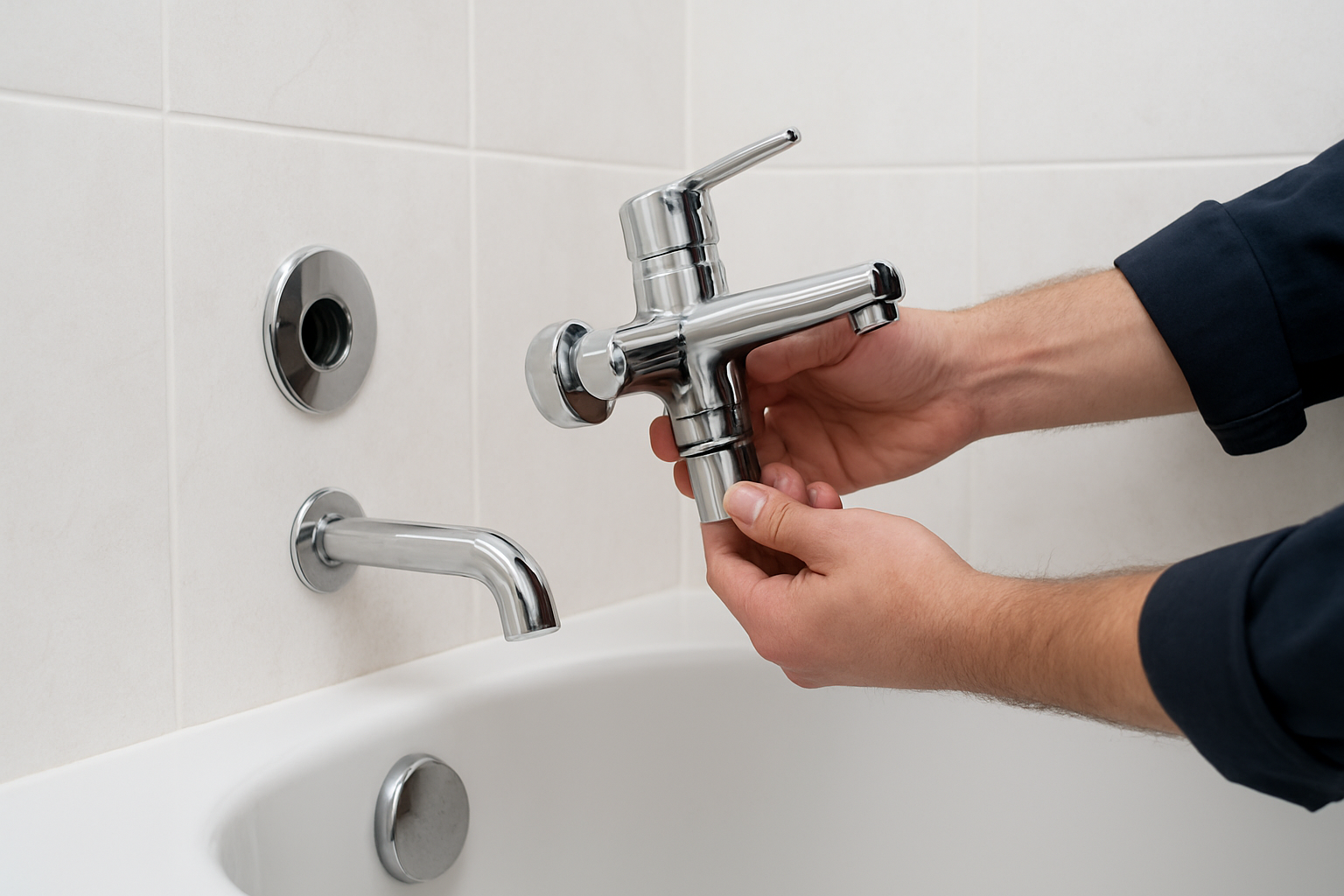
Faucet Renovation Cost: What to Expect & How to Save in 2026
Let’s be honest — most people don’t think about their bathtub faucet until it starts acting up. A slow drip here, a stiff handle there, and suddenly you’re Googling “faucet renovation cost” at midnight, wondering if it’s going to cost a fortune.
The good news? It doesn’t have to. After working with hundreds of Dallas homeowners on bathroom upgrades, we’ve seen firsthand how much pricing can vary — and more importantly, how to make sure you’re not overpaying for a job that should be straightforward.
This guide breaks down everything you actually need to know: real price ranges, what drives costs up (or keeps them down), and how to hire the right person without getting burned.

How Much Does Faucet Renovation Cost in 2026?
Here’s the short answer most homeowners are looking for:
| Faucet Type | Total Cost Range (Parts + Labor) |
| Standard single-handle faucet | $150 – $350 |
| Dual-handle faucet | $180 – $450 |
| Bathtub & shower combo faucet | $200 – $550 |
| Wall-mounted tub spout | $150 – $350 |
| Freestanding / Roman tub faucet | $350 – $900 |
The total faucet renovation cost includes both the fixture itself and professional installation. Most homeowners in Dallas land somewhere between $150 and $550 for a standard replacement — though luxury or complex setups can push past that.
One thing worth knowing: the faucet price and the labor price are two very different things. A $60 faucet can end up costing $300 total once a plumber factors in access, time, and any surprises behind the wall.
Cost Breakdown: What You’re Actually Paying For
| What You’re Paying For | Typical Cost |
| Standard faucet fixture | $40 – $120 |
| High-end or designer faucet | $150 – $350 |
| Plumber labor (Dallas, TX) | $75 – $120/hr |
| Full replacement job (1–3 hrs) | $120 – $350 |
| Additional plumbing repairs | $80 – $200 |
| Wall opening & patching | $100 – $280 |
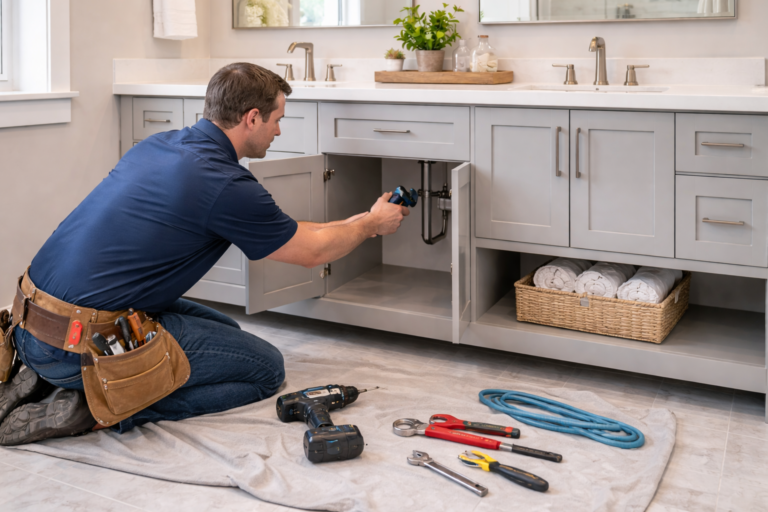
In Dallas, licensed plumbers typically charge $75–$120 per hour. A clean faucet swap in a newer home usually takes 1 to 2 hours. Older homes — especially those built before 1990 — often have corroded valves or non-standard fittings that can add another hour or more to the job.
5 Things That Drive Your Faucet Renovation Cost Up
Not all faucet jobs are equal. Here’s what actually moves the needle on price:
1. Wall Access
If the plumber has to cut through tile or drywall to reach the pipes, you’re looking at an extra $100–$280 just for that — plus potential patching costs afterward. Homes where the plumbing is easily accessible from a panel or adjacent closet are much cheaper to work on.
2. The Age of Your Plumbing
Old galvanized or corroded pipes don’t play nicely with new fixtures. If your plumber discovers that the shutoff valves are stuck or the supply lines are brittle, that’s going to extend the job time — and the bill.
3. Faucet Style and Finish
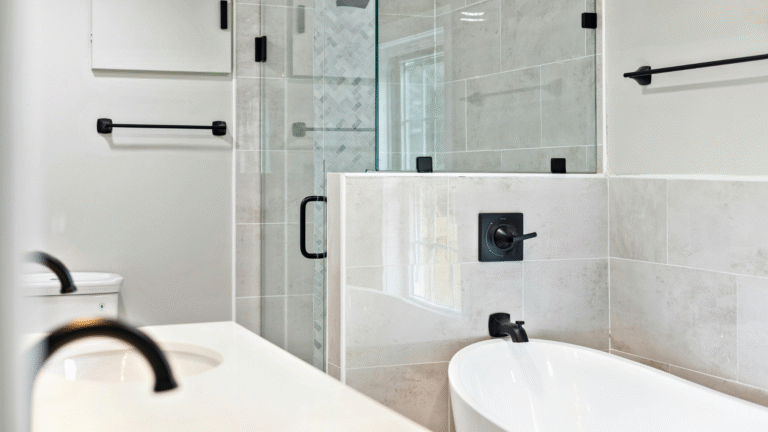
Matte black and brushed nickel finishes typically cost 20–40% more than chrome equivalents. Freestanding Roman tub faucets are in a different price tier entirely because of their complex floor-mount plumbing.
4. Combo vs. Single Fixture
A bathtub/shower combo with a diverter is mechanically more involved than a simple tub spout replacement. More components, more time, more cost — usually an extra $50–$150 compared to a straightforward swap.
5. Whether You Supply the Faucet
Many plumbers charge a markup on parts they source themselves — sometimes 15–30% above retail. Buying your own faucet from a hardware store and having the plumber install it can save you real money; just make sure it’s compatible before they arrive.
Signs It’s Time to Replace Your Faucet (Not Just Repair It)
Sometimes a repair makes sense. Other times, you’re just delaying the inevitable. Here are the signs that a full faucet renovation is the smarter move:
- Constant dripping even after replacing washers or cartridges
- The water temperature fluctuates no matter how you adjust the handle
- Visible rust, mineral buildup, or corrosion around the base
- A handle that wobbles, sticks, or has become hard to turn
- Weak or uneven water pressure that isn’t a supply issue
- Mold or mildew growing around the faucet base — usually a slow leak underneath
- The fixture simply looks out of place after a bathroom remodel
If you’re ticking two or more of those boxes, repair costs tend to pile up fast. A new faucet — installed correctly — will outperform a patched-up old one for years.
How to Save Money on Faucet Renovation Cost Without Cutting Corners
You don’t have to go with the cheapest option to keep the faucet renovation cost reasonable. Here’s what actually works:
- Buy the faucet yourself. Labor is labor — if you pick up a compatible fixture from a hardware store, you cut out the plumber’s parts markup.
- Stick to standard configurations. Non-standard mounting holes or exotic finishes add cost with little functional benefit.
- Address small leaks early. A minor drip that gets ignored can corrode the valve seat and turn a $200 job into a $450 one.
- Get at least two quotes. Labor rates in Dallas vary. A quick comparison can save you $50–$100 without sacrificing quality.
- Ask for transparent pricing upfront. Reputable contractors will tell you the hourly rate and estimated time before they start. If they won’t give you a straight answer, that’s a red flag.
Faucet Renovation Cost in Dallas, TX — What’s Different Here
Dallas labor rates run slightly higher than the national average — typically $75–$120/hour compared to the national $65–$100/hour range. That said, the Dallas market is competitive, so there are plenty of licensed plumbers offering fair pricing.
What tends to inflate costs locally is the age of the housing stock in some neighborhoods. Homes in areas like Oak Cliff, East Dallas, or older parts of Plano sometimes have plumbing that hasn’t been touched in 30+ years. If that’s your situation, budget for a small contingency — maybe an extra $100–$150 — in case the plumber runs into corroded valves or outdated supply lines.
The flip side: newer construction in Frisco, McKinney, or North Dallas is typically straightforward, and faucet swaps there often come in at the lower end of the price range.
DIY vs. Hiring a Plumber: Honest Advice
Some faucet replacements are genuinely DIY-friendly — especially if you’re swapping a tub spout or a single-handle fixture on a newer home with accessible shutoffs. If you’re handy and comfortable with basic plumbing, you can save the $120–$350 labor cost.
But here’s where it goes wrong for most people:
- Shutoff valves that haven’t been turned on in years — they seize, crack, or leak when you try to use them
- Supply lines with corroded connections that break during removal
- Cartridge replacements that require specialty tools or specific cartridge types
- Combo shower/tub diverters that involve opening the wall
Our honest recommendation: if the job is a clean swap on a newer home, DIY is reasonable. If there’s any sign of corrosion, old pipes, or the job involves a diverter or wall access, hire a licensed plumber. The cost of a botched DIY job (water damage, cracked pipes) is almost always more than the labor you saved.
Frequently Asked Questions
How much does faucet renovation cost on average?
Most homeowners pay between $150 and $550 total, covering both the fixture and installation. Simple single-handle swaps on newer homes tend to land at the lower end. Freestanding or combo shower/tub faucets with older plumbing can push to $550 or beyond.
Can I replace a bathtub faucet myself?
Yes, if it’s a straightforward swap on a newer home with accessible, working shut-offs. If there’s any corrosion, non-standard fittings, or wall access involved, it’s worth hiring a plumber. The labor cost is usually $120–$350 — much less than a water damage repair.
How long does faucet installation take?
A clean replacement typically takes 1 to 2 hours. Older homes or jobs requiring wall access can take 2 to 4 hours, sometimes more if unexpected issues come up.
Does faucet replacement require opening the wall?
Not usually. Most faucet swaps are done through existing access points. Wall opening is only needed when pipes are damaged, the layout is changing, or the valve system is buried without an access panel.
How often should a bathtub faucet be replaced?
A quality faucet installed correctly should last 10–15 years. If you’re seeing leaks, corrosion, or pressure problems before that, it’s worth addressing sooner rather than later — small issues compound quickly with plumbing.
Is faucet renovation cost covered by home insurance?
Generally, no routine wear and replacement is considered maintenance, not a covered loss. However, if a sudden pipe failure or accident caused the damage, there may be some coverage. Check your policy or call your agent if the issue was unexpected.
Looking for Trusted Faucet Renovation in Dallas?
If you’re in the Dallas area and want a straight answer on what your specific job will cost — without a sales pitch — we’re happy to take a look. BathRedo works with licensed, vetted plumbers across Dallas who give transparent quotes before any work begins.
No hidden fees. No surprise invoices. Just honest work at fair prices. Request a free estimate and we’ll give you a clear picture of your faucet renovation cost before anything gets started.
A working faucet is a small thing — until it isn’t. Catching it early keeps a minor fix from becoming a major expense.
Sure! i will be review on this. Thank you for updating.
Yeah It’s true.